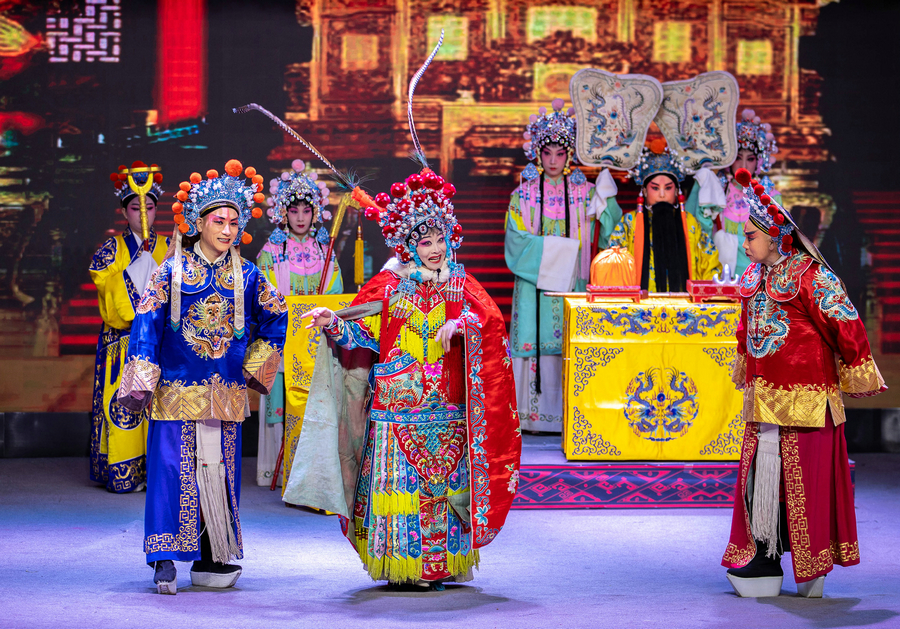
Jin Opera
Introduction
Jin Opera, also known as Shanxi Bangzi, is a traditional Chinese opera style that originated in Shanxi province. It is one of the four major Bangzi operas, a genre characterized by the energetic use of wooden clappers and robust singing. Jin Opera is notably popular in Shanxi province, Inner Mongolia autonomous region, and Hebei province. The performances are renowned for their unique charm, and the vocalists are celebrated for their high-quality voices. Jin Opera stands out as a significant cultural heritage, offering a distinct flavor that captivates audiences with its dynamic presentation and vibrant music.
History
Jin Opera's roots trace back to Shanxi province, where it emerged as a popular form of entertainment among the local populace. As one of the four Bangzi operas, Jin Opera developed a distinct style that incorporated the use of wooden clappers, known as "bangzi," which serve as a rhythmic accompaniment to the singing. This form of opera gained popularity not only in Shanxi but also in neighboring regions such as Inner Mongolia autonomous region and Hebei province. Over time, Jin Opera has evolved, incorporating elements from other regional operas while maintaining its unique characteristics. The opera has endured through various cultural transitions, preserving its traditional essence while adapting to modern influences.
Characteristics
Jin Opera is distinguished by several key characteristics that define its unique style and presentation.
Musical Style
The musical style of Jin Opera is marked by the energetic use of wooden clappers, which provide a rhythmic foundation for the performances. The singing is characterized by powerful, vibrant vocals that convey the emotional depth of the operatic narratives. The music in Jin Opera often involves a combination of traditional Chinese instruments, such as the erhu, dizi, and pipa, creating a harmonious blend that complements the vocal performances. The melodies are typically lively and engaging, enhancing the dramatic impact of the stories being told.
Performance Techniques
In terms of performance techniques, Jin Opera is known for its dynamic and expressive acting. The performers utilize a combination of stylized gestures, facial expressions, and body movements to convey the emotions and intentions of their characters. The costumes and makeup are elaborate, helping to bring the characters to life and add visual appeal to the performances. The use of props and stage settings further enhances the storytelling, creating an immersive experience for the audience. The integration of these elements makes Jin Opera a visually and aurally captivating art form.
Repertoire
The repertoire of Jin Opera includes a wide range of stories and themes, drawing from historical events, folklore, and classical literature. These operas often depict tales of heroism, romance, and moral dilemmas, offering audiences a glimpse into the rich cultural heritage of China. The narratives are conveyed through a combination of music, dialogue, and expressive performance, making each opera a unique and engaging experience. The diverse repertoire ensures that Jin Opera continues to appeal to a broad audience, maintaining its relevance in contemporary society.
Cultural Significance
Jin Opera holds significant cultural value as an important part of China's intangible cultural heritage. It serves as a medium for preserving and transmitting traditional Chinese culture, offering insights into the values, beliefs, and customs of the regions where it is performed. The opera is an embodiment of cultural identity, connecting past and present generations through its rich storytelling and artistic expression. By showcasing the depth and diversity of Chinese culture, Jin Opera plays a vital role in promoting cultural understanding and appreciation both within China and internationally.
Influence and Legacy
The influence and legacy of Jin Opera extend beyond its regional origins, contributing to the broader landscape of Chinese opera and performing arts. As a traditional art form, Jin Opera has inspired adaptations and innovations in other opera styles, showcasing its versatility and enduring appeal. Its impact is evident in the way it continues to inspire artists and performers, both within China and abroad. The legacy of Jin Opera is preserved through its ongoing performances, recordings, and scholarly research, ensuring that future generations can continue to enjoy and learn from this vibrant and dynamic art form.








